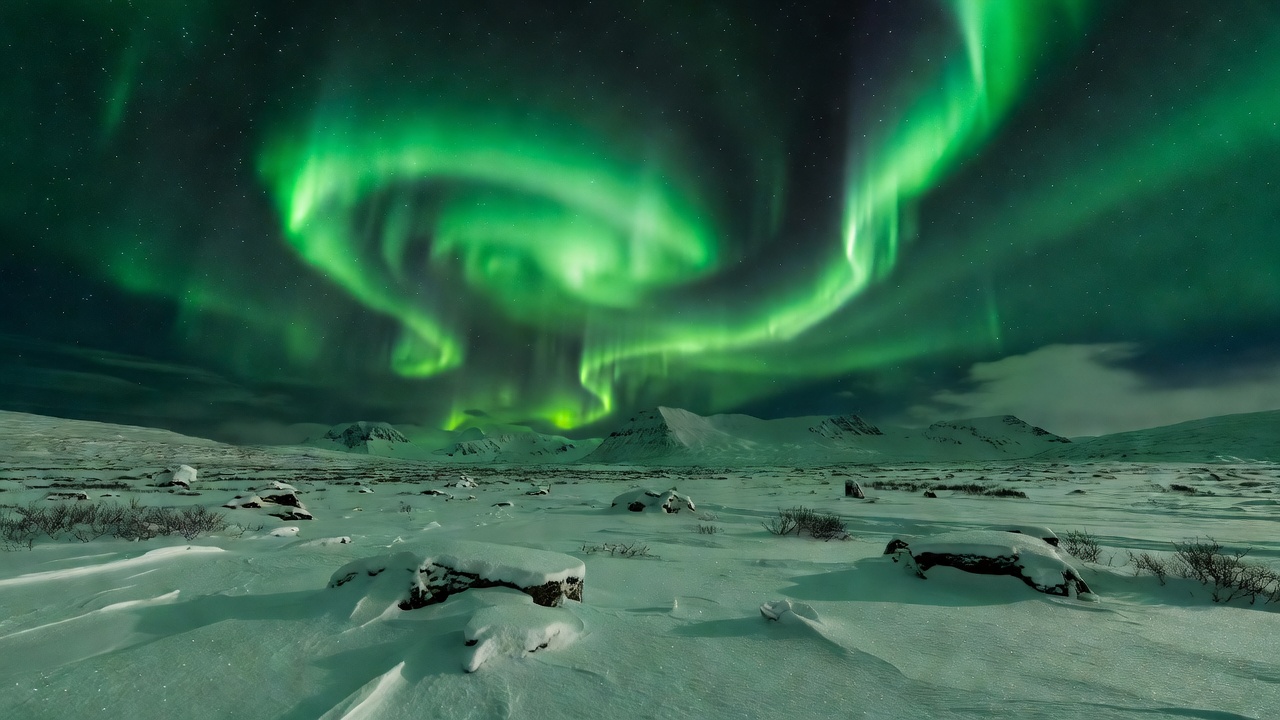
Understanding The Science Of Aurora Borealis
The Northern Lights occur when charged particles emitted by the solar wind interact with Earth's magnetic field and atmospheric gas molecules (predominantly oxygen and nitrogen) 80 to 300 kilometers above the surface. Oxygen emits vibrant green and red wavelengths, while nitrogen creates rare deep purple and blue hues.
Optimal Seasons & Locations in Finland
In Finnish Lapland, the Aurora season spans from late August through April, as darkness returns to the Arctic sky following the Midnight Sun summer. Key geographical regions with minimal light pollution include Rovaniemi, Levi, Saariselkä, Inari, and Kilpisjärvi.
Essential Gear & Camera Settings
To capture crisp photographs of the Aurora:
• Tripod: A sturdy tripod is indispensable to keep the camera stationary during long exposures in freezing temperatures.
• Wide-Angle Lens: An f/2.8 or faster wide lens captures max ambient light and wide night sky spans.
• Manual Camera Setup: ISO 1600–3200, Shutter Speed 2 to 8 seconds (depending on speed of light movement), manual infinity focus.